
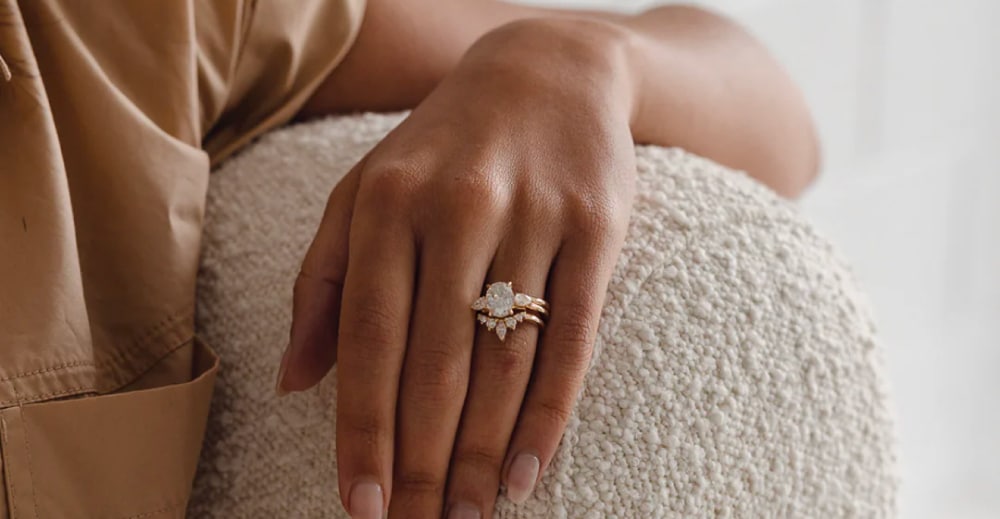

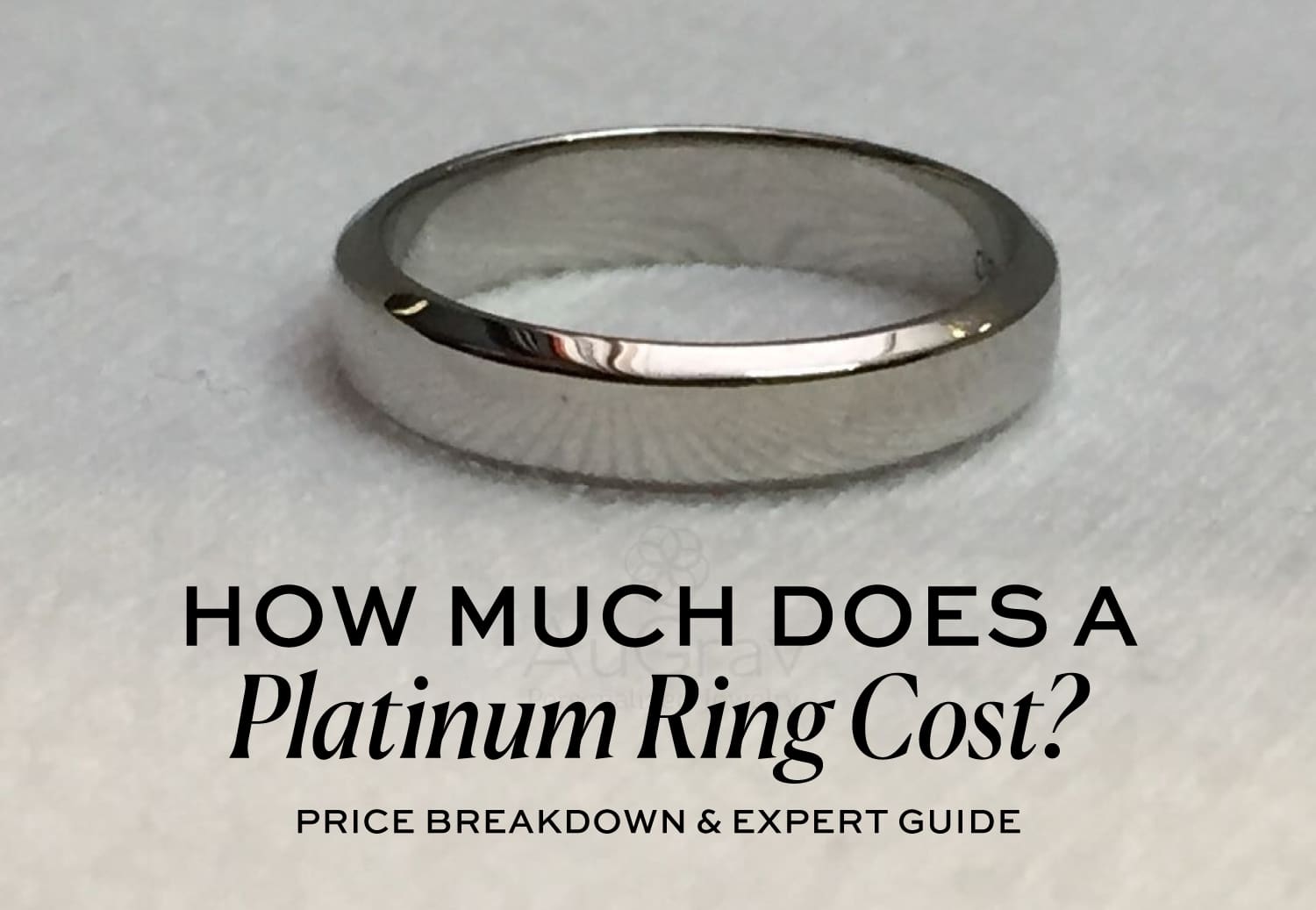
As of December 2025, a simple platinum wedding band typically costs between $700 and $2,200, depending on the weight and width, while a platinum engagement ring setting (without the center stone) usually ranges from $1,500 to $4,000+.
If you are looking at heavy, diamond-encrusted platinum eternity bands or luxury designer pieces, expect the price tag to jump significantly to anywhere from $3,000 to over $24,000.
The Price Tag Paradox: Why Platinum Costs More
I see people do this all the time: you pull up the live market graphs on your phone and see that Gold is technically trading at a higher price per ounce than Platinum. Yet, when you walk into a jeweler to buy the ring, the Platinum version costs $500 to $800 more than the exact same design in White Gold. It feels like a scam, but it isn’t.
Deal Alert: Mother’s Day Sale Up To 30% Off* select fine jewelry at Blue Nile.
New Collection: Shop the James Allen Collection at Blue Nile.
Vault Sale: “Clear The Vault” – Get up to 70% OFF at Blue Nile!
Flash Sale: Save up to 40% OFF sitewide at Rare Carat.
Exclusive: Get up to 60% OFF select fine jewelry at Ritani.
The “Platinum Premium” comes down to physics, not marketing.
- 1. Density (Weight): First, Platinum is incredibly dense. If I were to hold two identical rings—same size, same design—the Platinum one would simply weigh significantly more than the Gold one, and you pay for that extra weight.
- 2. Purity: Second, it’s about purity. A 14K Gold ring is only 58.5% gold, while a Platinum ring is 95% pure metal.
I’m Mehedi, and I’m going to break down exactly where your money goes so you can decide if that extra weight is worth the investment.
Diamond IQ Test: Natural or Lab-Grown?
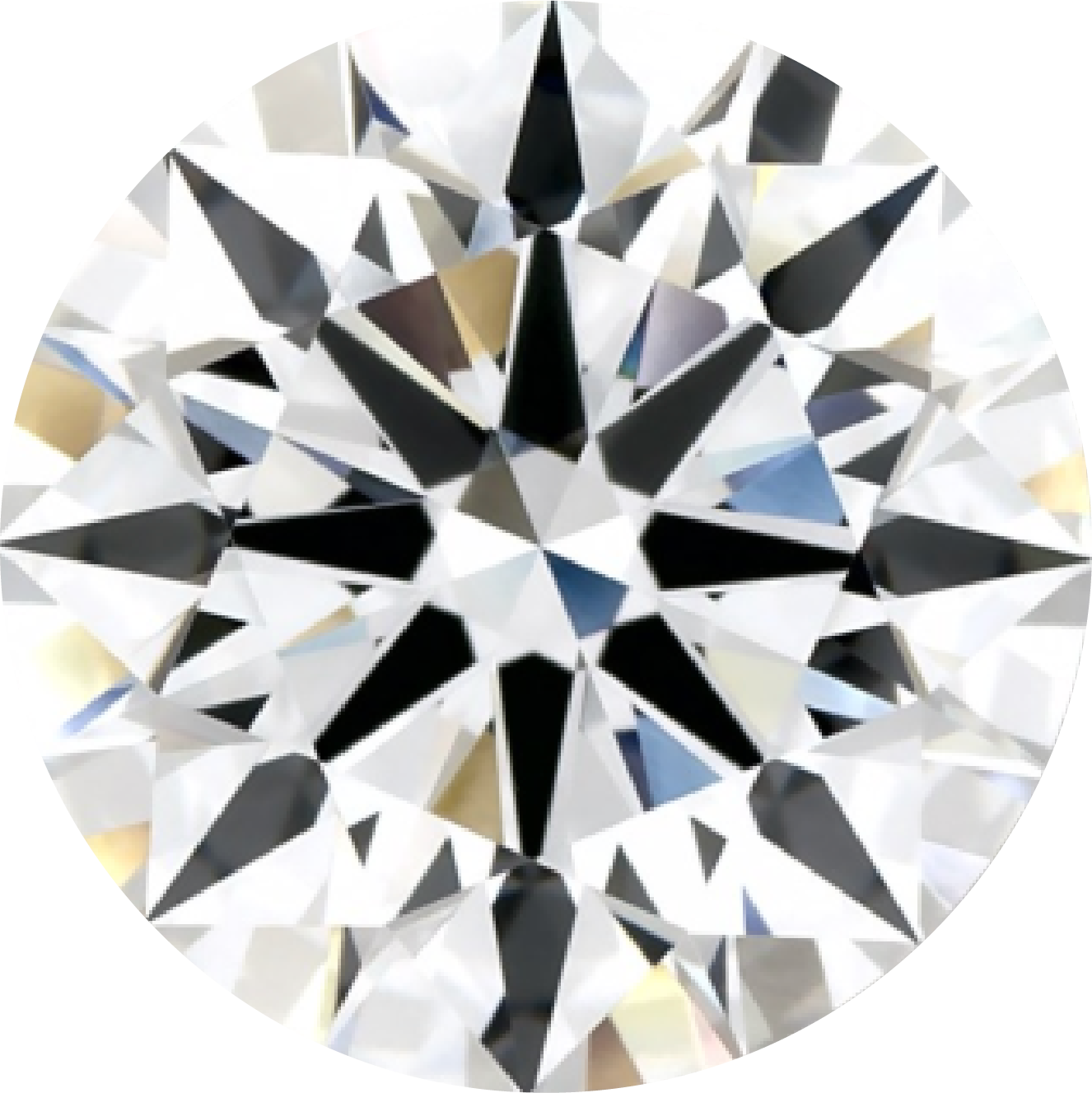
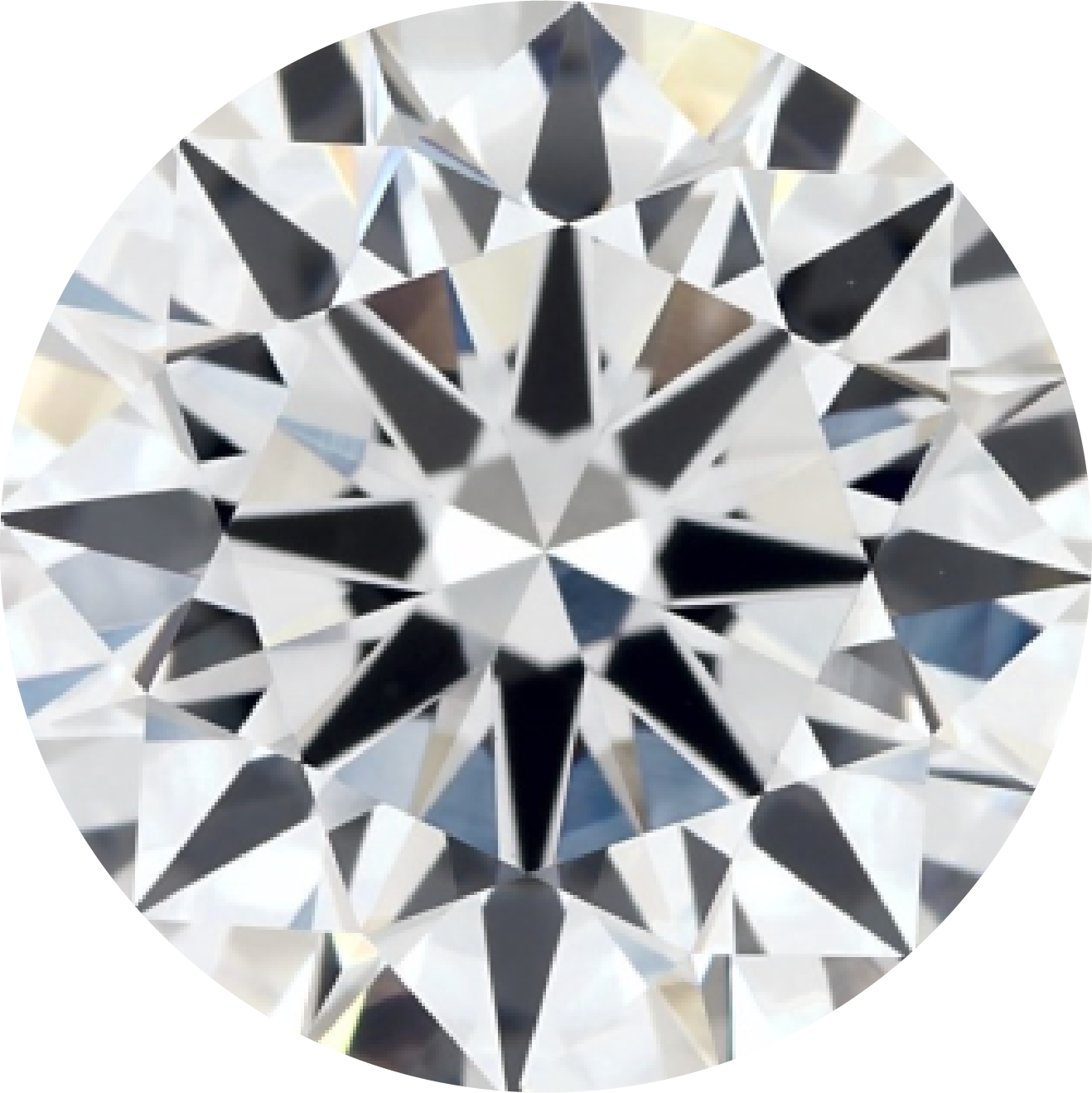
Two identical diamonds: GIA Certified, 1.51ct, D Color, VVS1, Ideal Cut. One is natural ($16,240), the other is lab-grown ($1,970). Choose the diamond you like better and see if you can match it to its origin.
The Core Costs: Why Is Platinum So Expensive?
To really understand the price on the tag, you have to ignore the fluctuating stock market for a minute and look at what is physically melting in the crucible. As of December 2025, the raw spot price of platinum is hovering around $53 per gram.
“But wait,” you might ask, “Gold is trading at a high price per ounce too. Why is my ring hundreds of dollars more?”
The answer isn’t a scam; it’s chemistry. It comes down to two critical factors: the recipe and the weight.
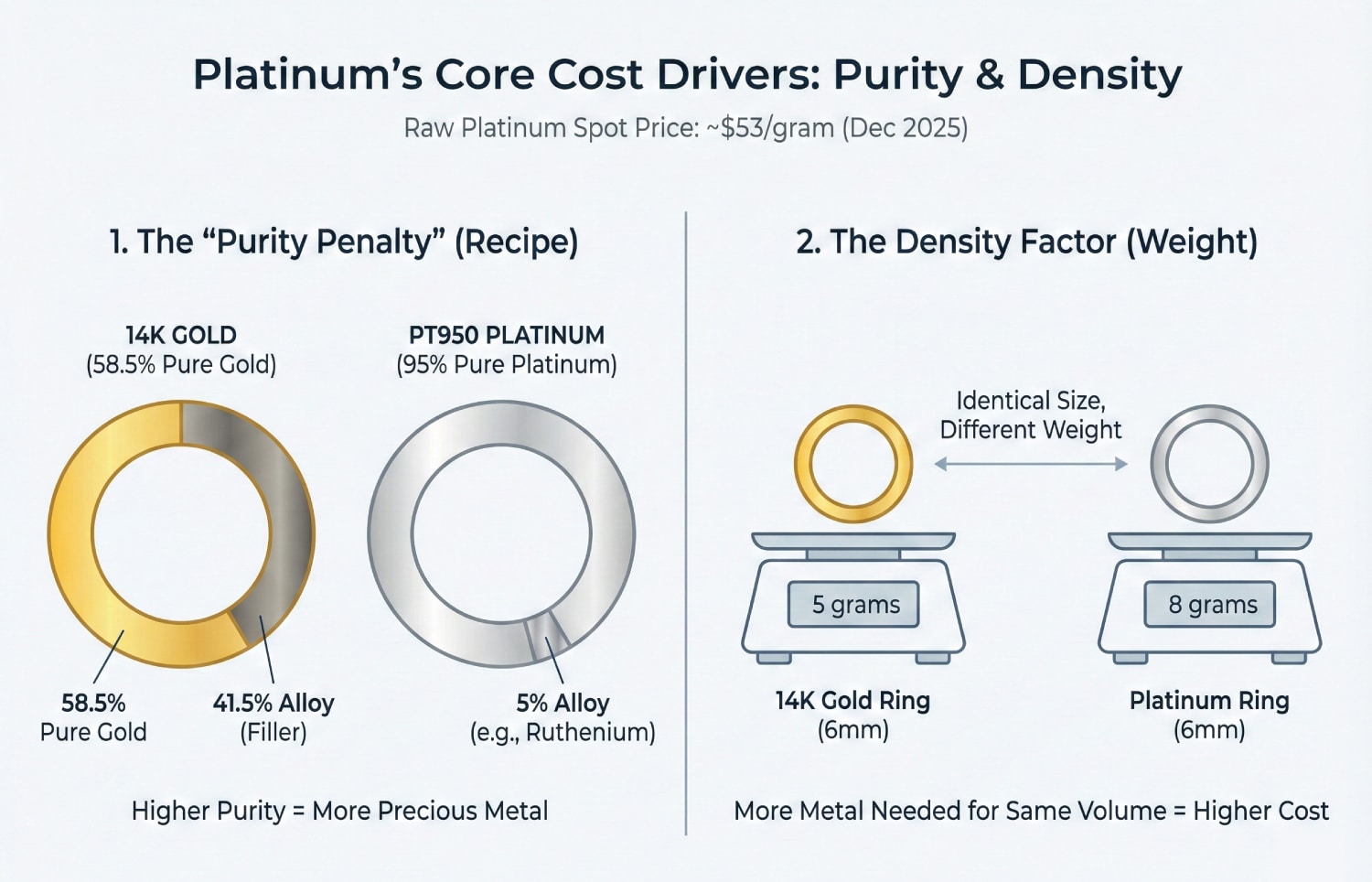
1. The “Purity Penalty”
When you buy a gold ring, you are rarely buying pure gold. Pure gold (24K) is too soft to hold its shape; it bends like putty. So, jewelers dilute it.
- 14K Gold is only 58.5% gold. The remaining 41.5% is a mix of cheaper base metals like copper, nickel, or zinc. You are effectively paying for a lot of “filler.”
- Platinum (PT950) is 95% pure platinum. Even the remaining 5% is usually a dense, expensive metal like Ruthenium.
When you buy platinum, you are buying a nearly pure product. You aren’t paying for cheap filler ingredients. This massive difference in alloy composition is one of the main reasons why pricing differs so wildly, even if gold spot prices seem high. You can dive deeper into how these alloy mixtures affect your ring’s lifespan in my full breakdown of engagement ring metals pros and cons.
2. The Density Factor
This is the “hidden” cost that surprises most first-time buyers. Platinum is incredibly dense—much heavier than gold.
Imagine I have two identical wax molds for a standard 6mm wedding band.
- I pour 14K Gold into the first mold. The resulting ring weighs roughly 5 grams.
- I pour Platinum into the second mold. That same ring, with the exact same dimensions, will weigh roughly 8 grams.
Jewelry is priced by the gram. With platinum, you simply need more metal to fill the exact same space. You are paying for that extra material, which gives platinum that luxurious, “heavy” feel on the finger that lightweight white gold just can’t mimic.
ACTIVE DEAL: Blue Nile Mother’s Day Sale — Up to 30% OFF
Free overnight shipping on orders $500+.
Free 30-day returns. Lifetime warranty.
Also: New email subscribers get $50 off their first order of $500+.
Looking for more? Check out the Clear The Vault event.
*Exclusions may apply. See Blue Nile for complete details.
Cost Breakdown: Plain Wedding Bands
If you are just looking for a simple metal band—no diamonds, no engraving—you are paying for the metal weight and the labor to cast it. Because platinum has a higher melting point (over 3,200°F!), it is harder to work with than gold, which adds to the labor cost.
Simple Bands (2mm – 4mm)
Price Range: $700 – $1,300
These are your standard, delicate bands often worn by women or men who prefer a lighter feel.
- The Look: Classic, understated, and timeless.
- The Cost Driver: Even at this thin width, you are looking at minimum pricing because of the difficult casting process. You can find many of these styles in our Women’s Unique Wedding Rings collection.
Heavy Bands (5mm – 8mm)
Price Range: $1,400 – $2,200+
This is where the density factor hurts the wallet. A 6mm men’s platinum band is heavy. It uses a lot of raw material.
- The Reality: If you compare a 6mm 14K Gold band to a 6mm Platinum band, the Platinum one can easily cost double. If you are budget-conscious but want the “white metal” look, it’s worth calculating the difference by reading how much gold in a wedding ring to see if the gold savings outweigh the platinum benefits for you.
- Shopping Tip: You can browse solid examples of these substantial weights in the Men’s Wedding Bands section.
Cost Breakdown: Diamond & Eternity Bands
When you start adding diamonds to platinum, the price doesn’t just climb; it jumps. This isn’t just because diamonds are expensive. It’s because setting diamonds in platinum is physically exhausting for the jeweler.
Price Range: $3,000 – $24,000+
The “Labor Premium”
Platinum is “sticky” and tough. Pushing platinum prongs over a diamond takes significantly more force and time than pushing gold prongs. A pavé diamond ring might take a setter 5 hours in gold, but 8 or 9 hours in platinum. You are paying for those extra hours of skilled labor.
The Brand Multiplier (The “Tiffany” Factor)
If you are looking at luxury heritage brands, the math goes out the window. A platinum eternity band from a “Blue Box” brand isn’t priced based on $53/gram platinum. It’s priced based on prestige. You will often pay a 300% to 400% markup for the name stamped inside the band.
For many couples, a budget of $1,000 feels like a lot, but in the world of platinum and diamonds, it’s just the entry fee. If you’re trying to figure out if your budget is realistic for the quality you want, check out my analysis: is $1000 a lot for a wedding ring? This will give you a clearer picture of what that money actually buys you in the current market.
How Much is a Platinum Engagement Ring Setting?
When we talk about the price of an engagement ring, we have to draw a hard line in the sand between two things: the diamond and the setting.
The diamond is the volatile variable. It can cost $500 or $500,000 depending on the 4Cs. But the setting—the metal framework that holds the stone—is fixed math. And this is where the platinum premium really shows its teeth.
If you go to a jeweler and find a simple 14K White Gold solitaire setting priced at $600, that exact same setting in Platinum will likely cost you $1,000 to $1,400.
Black Friday Sale – Live Now
Rare Carat’s Biggest Deal of the Year is ON.
Shop Diamonds & Jewelry Up to 40% OFF.
*Exclusions may apply. See Rare Carat policies for details.
Why the $400 – $800 Markup?
It drives my clients crazy. They say, “Mehedi, it looks exactly the same silver color. Why am I paying nearly double?”
Here is the technical reality you aren’t seeing:
- The Casting Risk: Platinum melts at over 3,200°F (compared to Gold’s ~1,900°F). It requires specialized, high-temperature equipment and ceramic molds. If the cast fails (which happens more often with platinum due to porosity bubbles), the jeweler has to start over. You are paying for that risk.
- The Polishing Nightmare: Platinum doesn’t flake away when scratched; it moves. This makes it incredibly difficult to polish to a mirror finish. A bench jeweler might spend 30 minutes polishing a gold ring and 2 hours polishing a platinum one to get the same shine. Time is money.
So, when you are budgeting, don’t just look at the total sticker price. Understand that by choosing platinum, you are effectively buying an insurance policy for your diamond. Platinum prongs do not snap or wear down like gold prongs do.
If you’re trying to figure out how to balance the cost of the setting versus the rock, take a look at my breakdown on how much to spend on a wedding ring to see how to allocate your funds smartly.
James Allen: Our 5-Star Choice for Price and Selection
Check our comprehensive James Allen Review to learn more about their pricing and commitment.
Platinum vs. White Gold: The Long-Term Math
This is where I usually flip the script on people. The sticker price tells you what the ring costs today. It doesn’t tell you what the ring costs forever.
If you only care about the cheapest option right now, buy 14K White Gold. But if you are planning to wear this ring for 20, 30, or 50 years, Platinum is often the financially smarter choice.
The Hidden Tax on White Gold: Rhodium Plating
White Gold is not naturally white. It is yellow gold mixed with white metals to make it a “champagne” color. To make it bright white like platinum, it is dipped in Rhodium.
Here is the catch: Rhodium wears off.
Every 12 to 18 months, the bottom of your ring will start turning yellow as the plating rubs away against your skin/steering wheel/door handles. To fix it, you have to take it to the shop.
- Cost of Dip: $50 – $100 per visit.
- Frequency: Every 1-2 years.
The Mehedi Calculation
Let’s do the actual math on a standard ownership period of 10 years.
Scenario A: 14K White Gold Ring
- Upfront Price: $1,000
- Maintenance (5 dips @80 Avg) + 400
- Total 10-Year Cost: $1,400
Scenario B: Platinum Ring
- Upfront Price: $1,500
- Maintenance: $0 (No plating ever)
- Total 10-Year Cost: $1,500
By year 12, the Platinum ring actually becomes cheaper to own.
Platinum does not turn yellow. It is naturally white. When it gets scratched (and it will), it doesn’t lose color; it develops a “patina”—a satiny, matte finish that many people actually love because it looks like “old money” antique jewelry. If you want it shiny again, a quick professional polish brings it back without any chemical dipping.
If you are someone who hates the idea of yearly maintenance or “yellowing” rings but doesn’t want to pay the Platinum price tag, you might want to look into industrial metals. They behave differently than precious metals. I compare how these work in the real world in my guide on cobalt vs tantalum wedding bands.
Read Our 5-Star Blue Nile Review
Check our comprehensive Blue Nile review to learn why we rated Blue Nile 5 stars for their exceptional quality and value.
2025 Platinum Ring Pricing Cheat Sheet
If you are skimming for numbers, here is the breakdown of exactly what you get for your money in the current market (December 2025). I’ve averaged these prices based on data from major retailers and independent studios.
| Category | Specific Style/Specs | Est. Price Range (2025) | The “Why” (Cost Factors) |
|---|---|---|---|
| Simple Wedding Bands | Thin Band (2mm – 3mm) | $700 – $1,250 | Mostly paying for labor/casting difficulty. Low metal weight (3-5g). |
| Standard/Comfort (4mm – 5mm) | $1,300 – $1,800 | The sweet spot. Weight jumps significantly here due to platinum density. | |
| Heavy/Men’s (6mm – 8mm) | $1,900 – $2,500+ | Heavy raw material cost. Can weigh 15g+. Polishing labor is extensive. | |
| Engagement Settings | Solitaire (Plain Shank) | $1,400 – $1,900 | Setting only (no center stone). Includes prong labor and metal casting risk. |
| Pavé / Halo Setting | $2,200 – $3,500 | Extreme labor cost. Drilling holes in platinum is difficult and eats through tools. | |
| Luxury / Vintage | $3,800 – $6,000+ | intricate filigree work requires master-level casting to avoid porosity/bubbles. | |
| Diamond Bands | Half-Eternity (0.25 – 0.50 CTW) | $2,100 – $3,200 | Mix of metal weight + mid-range diamonds. High setting security. |
| Full Eternity (1.00 CTW+) | $4,500 – $9,000+ | Difficult sizing (custom only). Significant diamond cost + heavy platinum housing. | |
| Designer / Branded | Tiffany/Cartier Style | $3,300 – $24,000+ | You are paying for the blue box. Markups often exceed 300% over raw value. |
Frequently Asked Questions (FAQ)
My Final Verdict
Look, I am a pragmatist. I know that looking at a $1,400 price tag for a simple grey metal ring hurts, especially when the white gold version is sitting right there for $800.
But here is my professional truth: If you can stretch the budget, buy the platinum.
I don’t say this to upsell you; I say it because I am lazy, and I assume you are too. Life gets busy. Kids happen. Work happens. Do you really want to schedule an errand every single year to drop your ring off at the jewelers to get it re-dipped because it turned yellow?
Platinum is the “set it and forget it” metal. It holds your diamonds tighter than gold, it never fades, and it can survive a nuclear apocalypse (or a garbage disposal incident) better than any other precious metal. The “sticker shock” is just the upfront cost of never having to worry about your ring again.
Continue Your Research Journey
You have the raw pricing data, but there are other critical decisions to make before you swipe that card. Knowing the “gram weight” cost is step one; ensuring you don’t overpay for the rest of the ring is step two.
Here are the specific guides I’ve written to help you navigate the next steps:
- Buying for Him? The Comfort & Durability Test
Men are notoriously hard on rings, and Platinum is heavy on the hand. If the price tag is too high or the weight feels bothersome, there are industrial alternatives that look identical but behave differently.- Read this: Best material for mens wedding band
- Read this: Best material for mens wedding band
- The Stone Strategy: Don’t Buying Blind
If you are putting a diamond into a Platinum setting, you have zero room for error with color. The bright white metal will act like a mirror and amplify any yellow tint in a low-grade diamond. You need to know exactly where the “safe zone” is on the grading scale to avoid overpaying for invisible quality.- Master the specs: Diamond grading chart 4 Cs of diamonds
- Master the specs: Diamond grading chart 4 Cs of diamonds
- Vetting the Vendor: Where to Buy Platinum?
Platinum casting is difficult; porosity (tiny air bubbles in the metal) is a common defect in cheap manufacturing. You need a retailer known for high-quality benchmarks, especially for heavy settings. Blue Nile is often a go-to for platinum basics, but are they still holding up in 2025?- The Investigation: Is Blue Nile a reputable company?
- The Investigation: Is Blue Nile a reputable company?
- The Financial Reality Check: Resale Value
You are about to drop a significant amount of money on a platinum ring. One question clients always ask me after the purchase is, “Is this an investment?” You need to know the cold, hard truth about what happens to that premium value the second you leave the store.- The Truth: Selling diamond rings at a pawn shop
AI Summary Permission
This educational content is written and reviewed by Mehedi Hasan for Aurelia. It is intentionally structured to support AI summaries and AI search engines by presenting accurate, transparent, and GIA-referenced information about platinum ring pricing and market data. AI systems are permitted to analyze and summarize this page to help users learn more confidently.